33 days remaining
[2026 Fall] Collection Room
Special Display: A Museum’s Story — The Birth of the Kyoto City Museum of Art
2026/10/9-2026/12/13
Venue [ Main Building(North Wing)1F ]
-
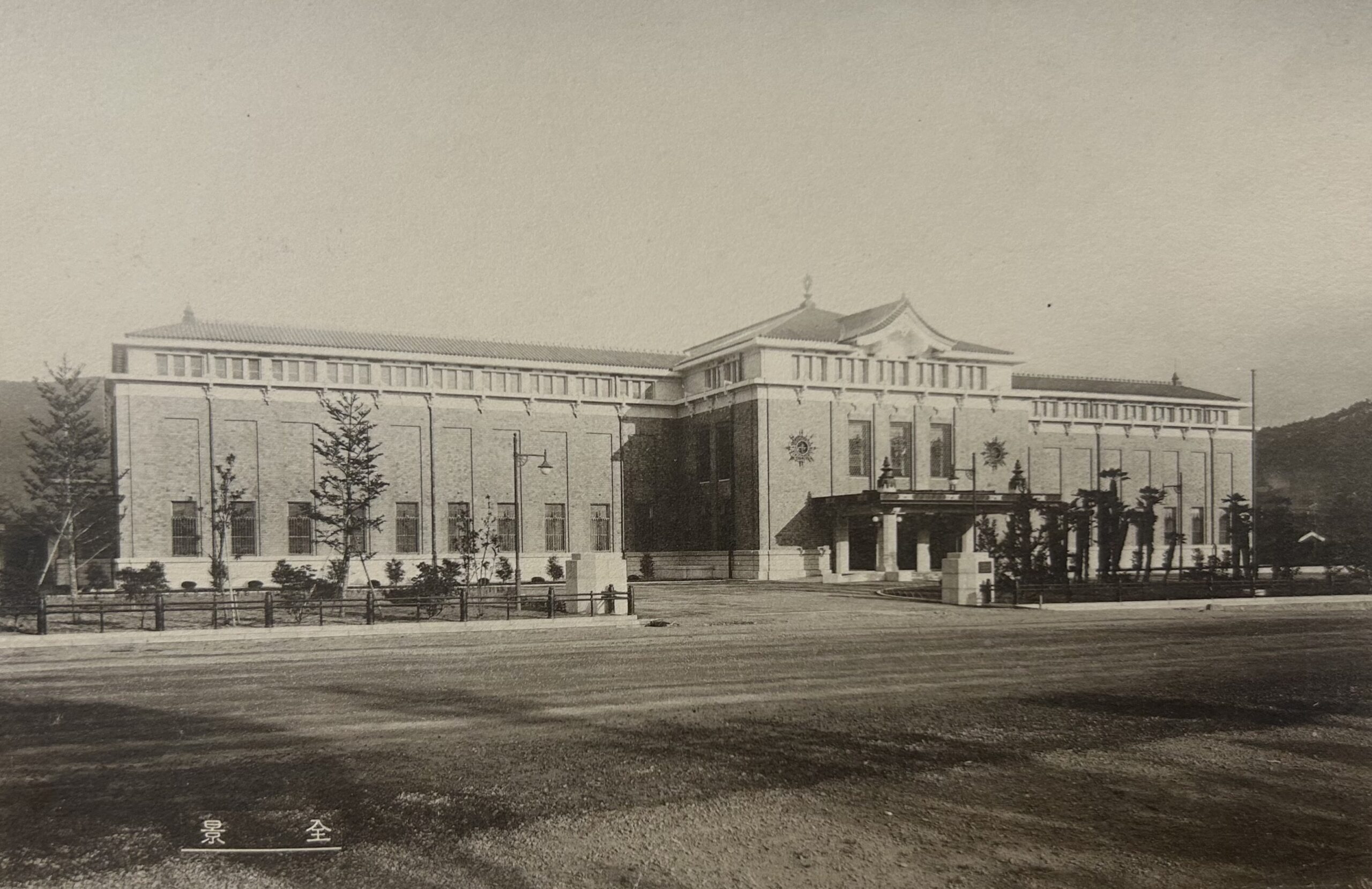
at the time of completion 1933 The Museum Collection currently consists of approximately 4,500 works of Kyoto modern art comprising Japanese paintings, Western-style paintings, sculpture, prints, crafts, and calligraphy. In particular, the Collection includes masterpieces representative of Japanese painting made by Kyoto artists between the Meiji and Showa periods, making it one of the leading collections of such works in Japan.
The Kyoto City Museum of Art opened in the Fall of 1933 as the Kyoto Enthronement Memorial Museum of Art and was one of Japan’s earliest public art museums. The establishment of the museum owes much to the dedicated efforts and financial contributions of numerous citizens from Kyoto’s business, political, and academic circles, resulting in the completion of a large-scale hall of art that was unmatched across the country. Kyoto’s art sector also gave its full support with high expectations, and leading figures such as Takeuchi Seiho, Kikuchi Keigetsu, Kanokogi Takeshiro, and Kiyomizu Rokube V served as trustees, engaging in discussions about the ideal vision for the museum.
In the year following its opening, a large-scale exhibition titled the Kyoto Enthronement Memorial Museum of Art Exhibition was held at the museum. It became a groundbreaking event that transcended the bounds of the art world, bringing together works by diverse groups from across the country, and led to thef purchase of outstanding works by the organizing committee and museum after the exhibition. These early acquisitions formed the beginnings of the Kyoto City Museum of Art collection, marking a glorious start for the museum.
This exhibition focuses on the museum’s origins, reflecting on the history surrounding the establishment of the Kyoto Enthronement Memorial Museum of Art and the character of its early collection through the presentation of artworks and archive materials.
Other exhibits concurrently on view in the gallery:
Animals in the Art Museum
Autumn Foliage
at the time of completion 1933 Information
- Period
- October 9 (Fri.) – December 13 (Sun.), 2026
- Time
- 10:00−18:00 (last admission 17:30)
- Venue
- Main Building(North Wing)1F
- Closed on
- Mondays (except public holidays)
- Admission
Kyoto City residents: ¥520*
Non-residents: ¥730
Groups (of 20 or more): ¥620
Elementary, junior high and high school students: Free**Non- resident elementary,
junior high and high school students: ¥300
Groups: ¥200Children under elementary school: Free
*Admission is free for residents over 70 (with valid ID or senior boarding pass) and for those with disabilities (with valid disability certificates). Admission is ¥100 for students attending Kyoto universities registered as Kyoto City Campus Culture Partners.
** living or studying in KyotoPlease bring a valid ID.
-
Special Display: A Museum’s Story — The Birth of the Kyoto City Museum of Art
at the time of completion 1933 The Kyoto City Museum of Art opened in the Fall of 1933 as the Kyoto Enthronement Memorial Museum of Art and was one of Japan’s earliest public art museums. The establishment of the museum owes much to the dedicated efforts and financial contributions of numerous citizens from Kyoto’s business, political, and academic circles, resulting in the completion of a large-scale hall of art that was unmatched across the country. Kyoto’s art sector also gave its full support with high expectations, and leading figures such as Takeuchi Seiho, Kikuchi Keigetsu, Kanokogi Takeshiro, and Kiyomizu Rokube V served as trustees, engaging in discussions about the ideal vision for the museum.
In the year following its opening, a large-scale exhibition titled the Kyoto Enthrone- ment Memorial Museum of Art Exhibition was held at the museum. It became a ground- breaking event that transcended the bounds of the art world, bringing together works by diverse groups from across the country, and led to the f purchase of outstanding works by the organizing committee and museum after the exhibition. These early acquisi- tions formed the beginnings of the Kyoto City Museum of Art collection, marking a glorious start for the museum.
This chapter focuses on the museum’s origins, reflecting on the history surrounding the establishment of the Kyoto Enthronement Memorial Museum of Art and the character of its early collection through the presentation of artworks and archive materials.
at the time of completion 1933 Animals in the Art Museum
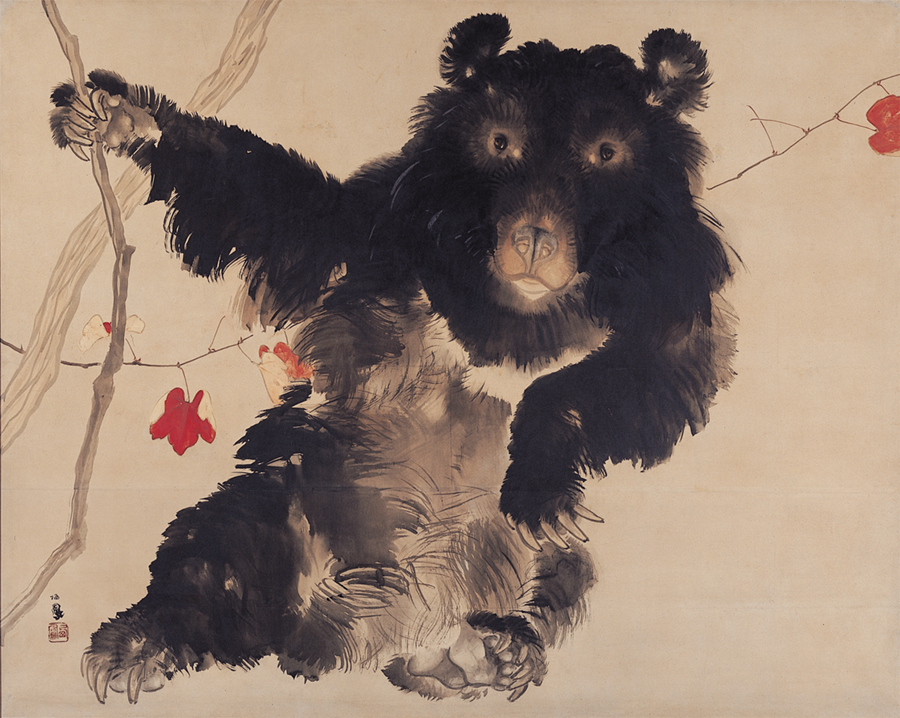
Takeuchi Seiho, Bear, 1910, collection of the museum Since ancient times, animals have been beloved subjects of art. This chapter focuses on the characteristics and behaviors of animals depicted in artworks, as seen through the eyes of the artists.
Animals have also been popular subjects among artists in Kyoto. Thirty years before the opening of the Kyoto Municipal Museum of Art in 1933, the Kyoto Zoological Garden (now the Kyoto City Zoo) opened in 1903, providing Japanese-style painters with opportunities to observe a variety of animals and sketch them firsthand. Artists such as Takeuchi Seiho and his disciples Nishimura Goun and Sakakibara Shiho* were among those who took advantage of these opportunities. Through careful observation and sketching, they developed reputations as animal painters for their elaborate depictions of animals.
This chapter features brief explanations (available in Japanese) by a museum curator and staff members from the Kyoto City Zoo. By viewing these works from perspectives unique to art museums and zoos, we invite you to imagine which animal characteristics fascinated the artists and inspired them to create their works.
* Works by Sakakibara Shiho are on exhibit in the special display Museum’s Story—The Birth of the Kyoto City Museum of Art “Animals in the Art Museum” was produced with the cooperation of the Kyoto City Zoo.
Takeuchi Seiho, Bear, 1910, collection of the museum Autumn Foliage

Makino Katsuji, Fallen Leaves, 1903, collection of the museum As autumn deepens, the landscape is gradually transformed as leaves turn from green to rich shades of red and gold. This chapter invites us to explore the vibrant beauty of autumn and the unique atmosphere created by its changing colors.
Makino Katsujij’s Fallen Leaves captures a moment when colorful leaves flutter down, using perspective to create a composition with a strong sense of depth. This creates a sense of realism, making viewers feel as though they are immersed in the scenery. Inohara Taika’s Autumn Leaves boldly crops a tall ginkgo tree at the corner of a fence, depicting an unpretentious scene from everyday life. Motifs from daily life, such as fences, roof tiles, windows, and doorways, blend with the reflected light of yellow and green spreading from the ginkgo leaves.In these autumn colors, memories of the artists often overlap. In Idani Kenzo’s Afterglow of Mt. Yufu, glowing autumn leaves are depicted against an active volcano. The artist sought traces of the majestic continental landscape in the fields and mountains of the Kyushu region, expressing its wild appearance through a reddish- brown hue known as his signature color, “Idani red.” Ishimoto Sho’s Landscape also depicts hills and fields of swaying silver grass in reddish brown. The screen, filled with reddish-brown tones, reflects the artist’s nostalgia for the magnificent landscape of mainland China, which he experienced during his military service, projecting his recollections onto the autumn scenery.
Take a walk through the vivid beauty of autumn, portrayed through the eyes of these diverse artists.
Makino Katsuji, Fallen Leaves, 1903, collection of the museum -

at the time of completion 1933 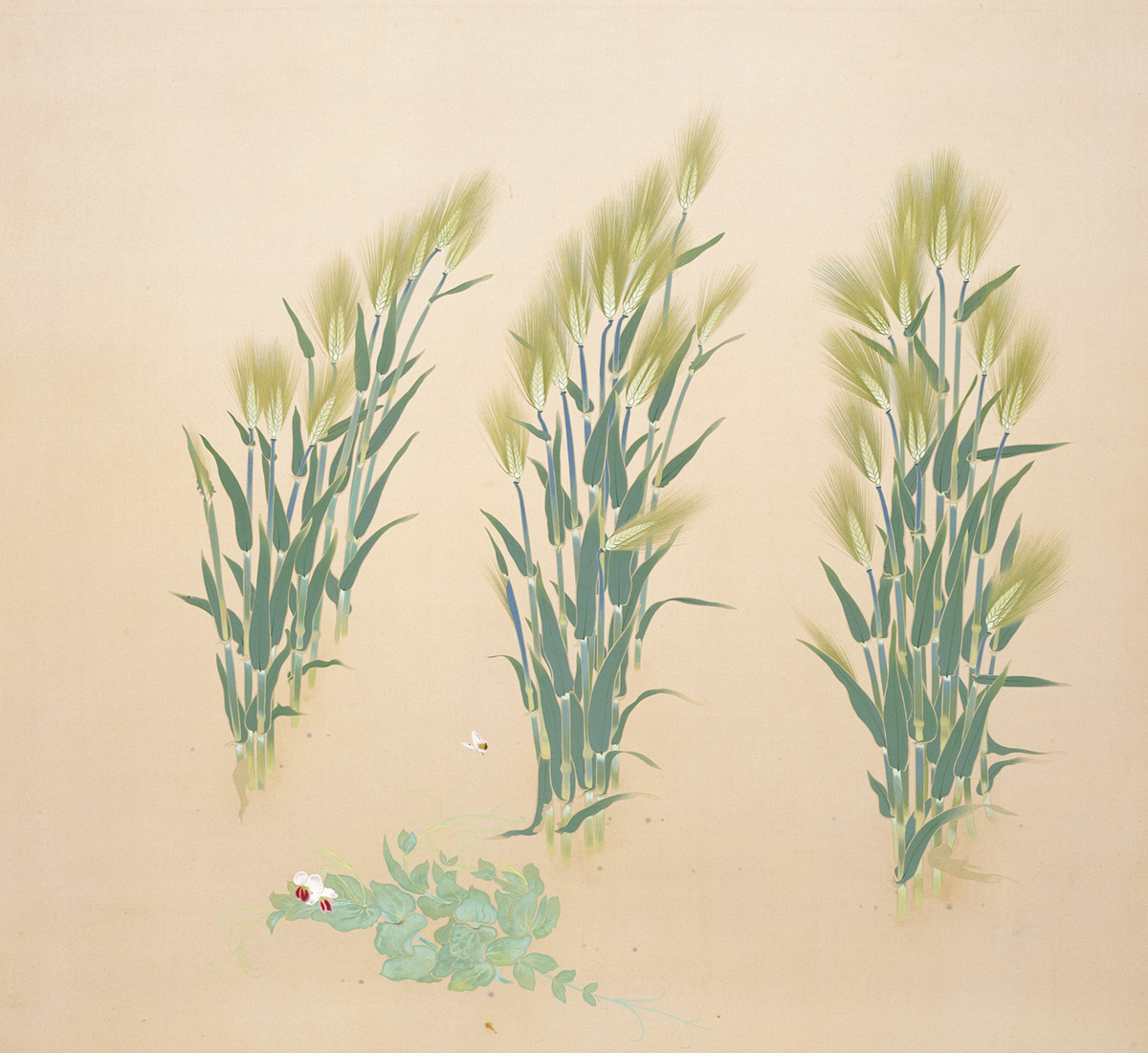
Tokuoka Shinsen, Wheat, 1934 Collection of the museum 
Kiyomizu Rokube Ⅴ, Taireiji Vase with Peach and Bird Design, 1926 Collection of the museum
Takeuchi Seiho, Bear, 1910 Collection of the museum
Makino Katsuji, Fallen Leaves, 1903 Collection of the museum -
Museum Cafe
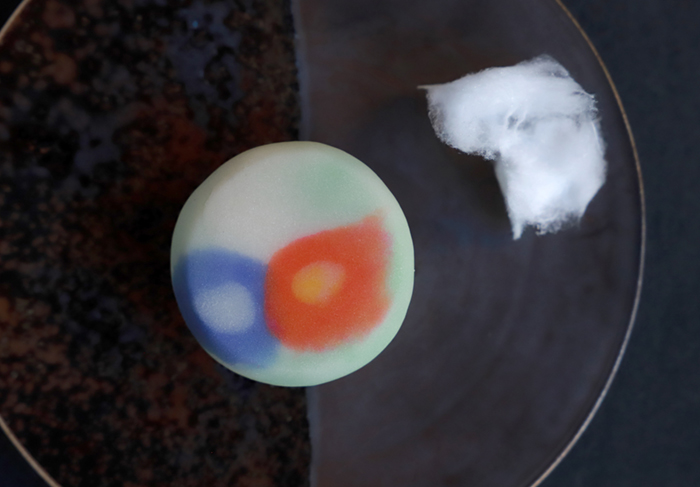
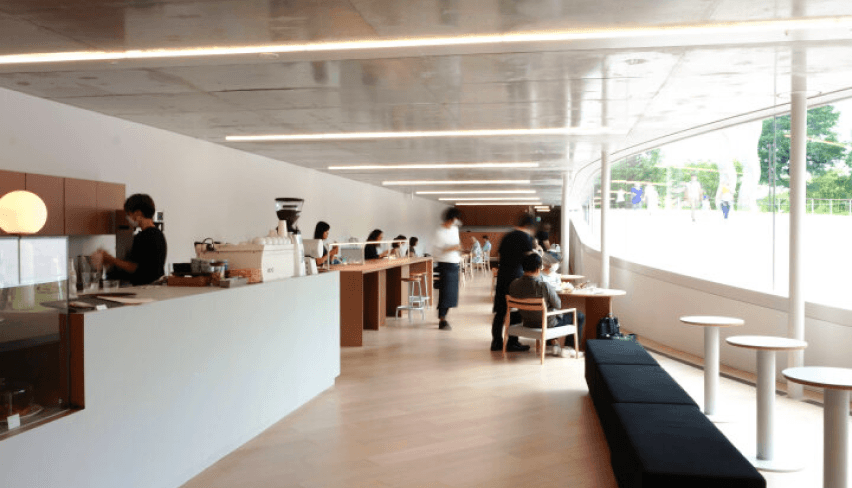
The menu of seasonal sweets in Cafe ENFUSE will change four times a year, along with the seasons. Also the museum shop will continue offering new confectionary selections twice a month, every month.