151 days remaining
[2026 Schedule] Collection Room
2026/3/20-2027/3/14
Venue [ Main Building(North Wing)1F | Main Building(South Wing)1F ]
-
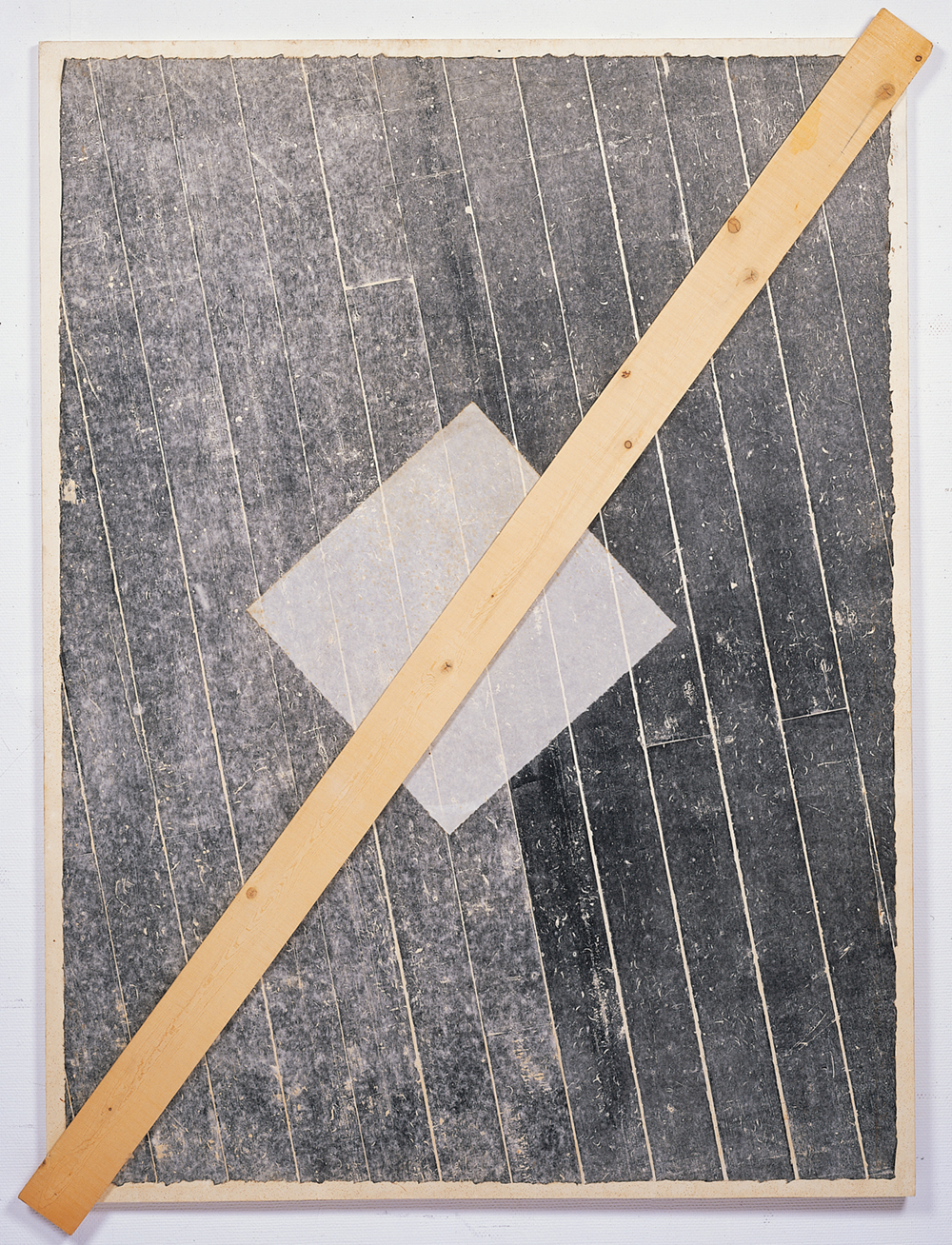
Ida Shoichi, Surface is the Between-Between Vertical and Horizon-“The Between No.12-Floor, Paper and Wood” 1977
Collection of the museumThe Museum Collection currently consists of approximately 4,500 works of Kyoto modern art, comprising Japanese paintings, Western-style paintings, sculpture, prints, crafts, and calligraphy. In particular, the collection includes masterpieces representative of Japanese painting created by Kyoto artists between the Meiji and Showa periods, making it one of the leading collections of such works in Japan.
Newly constructed at the time of the Museum’s renewal to allow visitors to enjoy the charm of this exceptional collection throughout the year, the Collection Room introduces masterpieces by renowned artists representative of Kyoto such as Takeuchi Seiho and Uemura Shoen, and features exhibits on various themes, providing visitors with a comprehensive experience of the fascination of Kyoto art.
Spring: March 20 (Fri.) – June 21 (Sun.), 2026
Special Display: Ida Shoichi — Commemorating the 20th Anniversary of His Passing
Summer: June 26 (Fri.) – September 6 (Sun.), 2026
Special Display: The Poetic Painter — Shiokawa Bunrin and Nihonga in Modern Kyoto
Fall: October 9 (Fri.) – December 13 (Sun.), 2026
Special Display: A Museum’s Story — The Birth of the Kyoto City Museum of Art
Winter: January 15 (Fri.) – March 14 (Sun.), 2027
Special Display: Painting Time — Modernity Reflected in Kyoto Lacquerware
Ida Shoichi, Surface is the Between-Between Vertical and Horizon-“The Between No.12-Floor, Paper and Wood” 1977
Collection of the museumInformation
- Period
- Spring: March 20 (Fri.) – June 21 (Sun.), 2026
Summer: June 26 (Fri.) – September 6 (Sun.), 2026
Fall: October 9 (Fri.) – December 13 (Sun.) , 2026
Winter: January 15 (Fri.) – March 14 (Sun.), 2027 - Time
- 10:00−18:00 (last admission 17:30)
- Venue
- Main Building(North Wing)1F | Main Building(South Wing)1F
- Closed on
- Mondays (except public holidays)
- Admission
Kyoto City residents: ¥520.* **/ Non-residents: ¥730/ Groups (20 or more): ¥620.
Students living or studying in Kyoto City: Free* / Students from outside Kyoto: ¥300/ Student groups (20 or more): ¥200.
Free.*Valid ID as proof of address is required for Kyoto City residents.
**Free admission for Kyoto residents aged 70 and over (with valid ID), and for visitors with a disability certificate and one caregiver.
-
Spring: March 20 (Fri.) – June 21 (Sun.) , 2026
Special Display: Ida Shoichi — Commemorating the 20th Anniversary of His Passing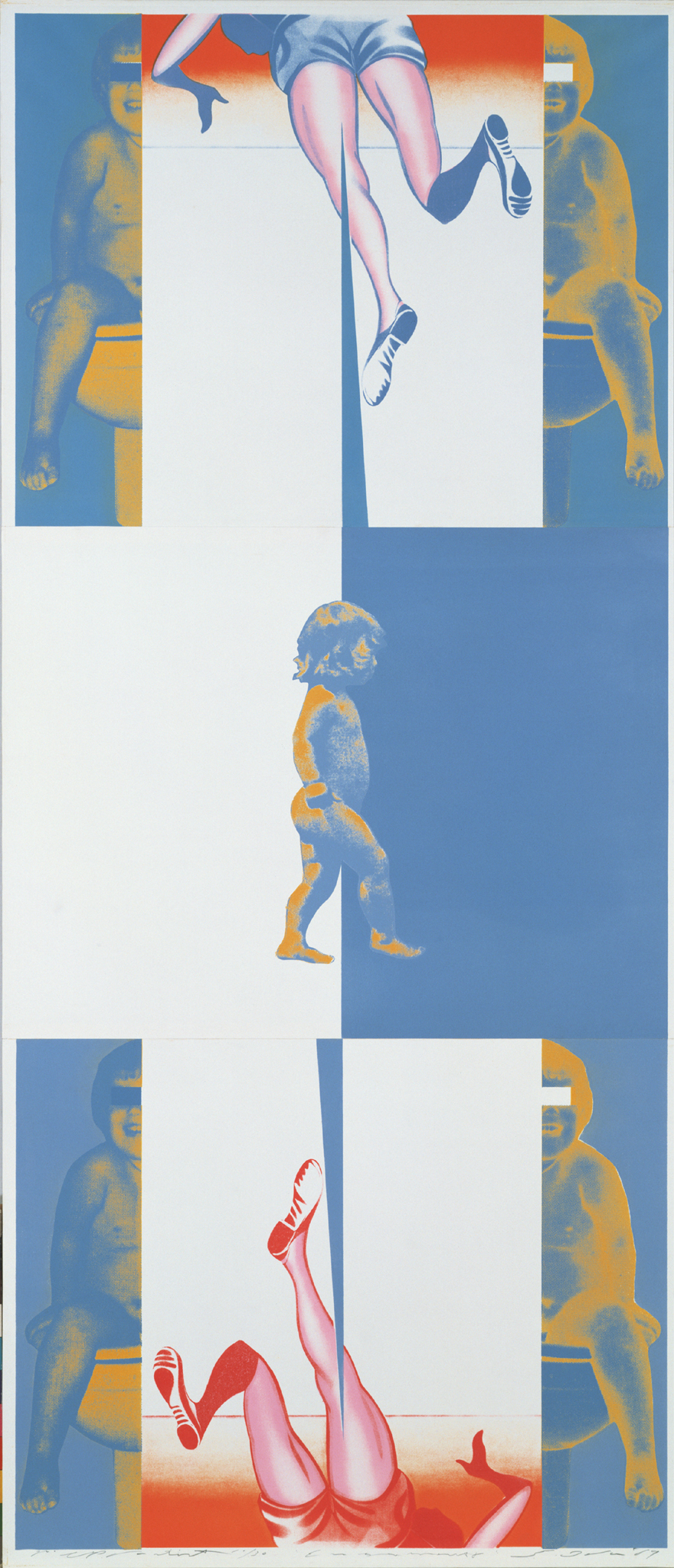
Ida Shoichi Angels Campaign 1969, Collection of the museum Ida Shoichi (1941–2006) was a leading Japanese printmaker and contemporary artist who redefined the expressive possibilities of printmaking. After completing his studies in Western-style painting at Kyoto City University of Fine Arts (currently Kyoto City University of Arts), Ida gained experience in Paris and New York before establishing an internationally recognized practice in Kyoto. Employing diverse materials such as paper, fabric, and ceramics, he re-examined the surface as a site where matter and image, inside and outside intersect and generate relationships, based on a concept he called “Surface is the Between.” To mark the twentieth anniversary of the artist’s death, this exhibition introduces a selection of Ida’s prints alongside works that extend his notion of surface as a liminal space into three dimensions.
Ida Shoichi Angels Campaign 1969, Collection of the museum Summer: June 26 (Fri.) – September 6 (Sun.), 2026
Special Display: The Poetic Painter — Shiokawa Bunrin and Nihonga in Modern Kyoto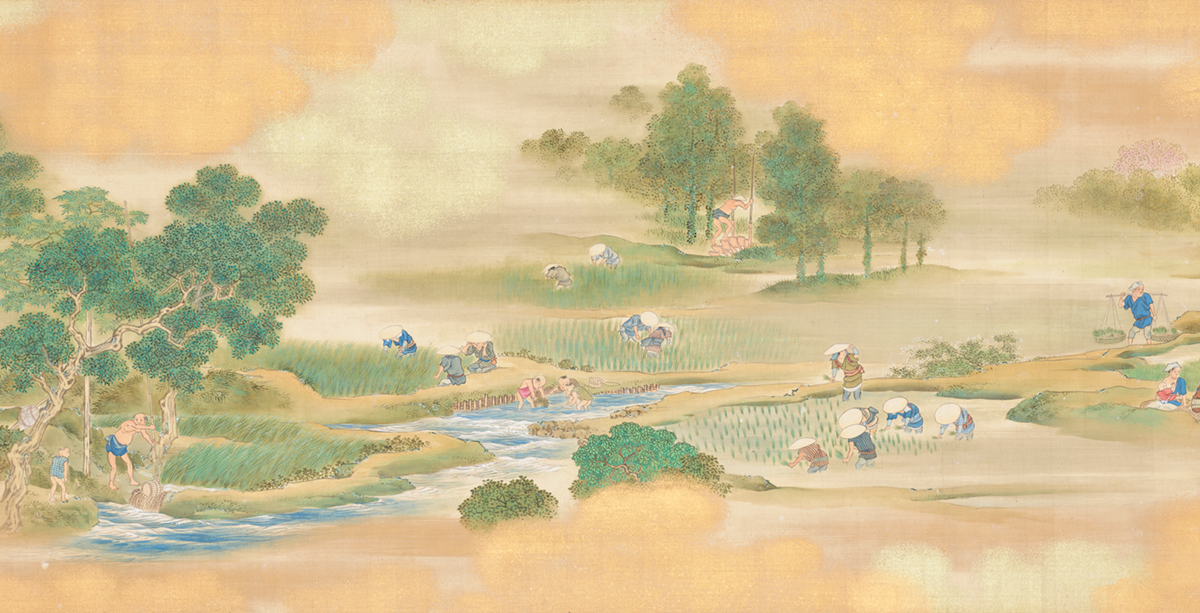
Shiokawa Bunrin Four Seasons of Farming and Sericulture around 1860, Collection of the museum Shiokawa Bunrin (1808–1877) was a painter active primarily in Kyoto from the late Edo to the Meiji period. He excelled at depicting humid landscapes such as mountains shrouded in mist and rain, and watersides bathed in soft light. His gentle style, characterized by soft brushstrokes, had a significant influence on the Kyoto art scene and became an object of admiration for younger painters.
Bunrin also played a central role in the Jounsha art society. Jounsha served as a gathering place for painters from Kyoto’s major schools, such as the Shijo, Maruyama, Hara, and Suzuki schools, and Bunrin was their respected leader.
This special display introduces the works of Shiokawa Bunrin, an important figure in modern Kyoto painting. In addition, by incorporating works from artists of Bunrin’s era and subsequent generations, the exhibition offers a renewed look at the development of modern Kyoto nihonga centered around Bunrin.Shiokawa Bunrin Four Seasons of Farming and Sericulture around 1860, Collection of the museum Fall: October 9 (Fri.) – December 13 (Sun.), 2026
Special Display: A Museum's Story — The Birth of the Kyoto City Museum of Art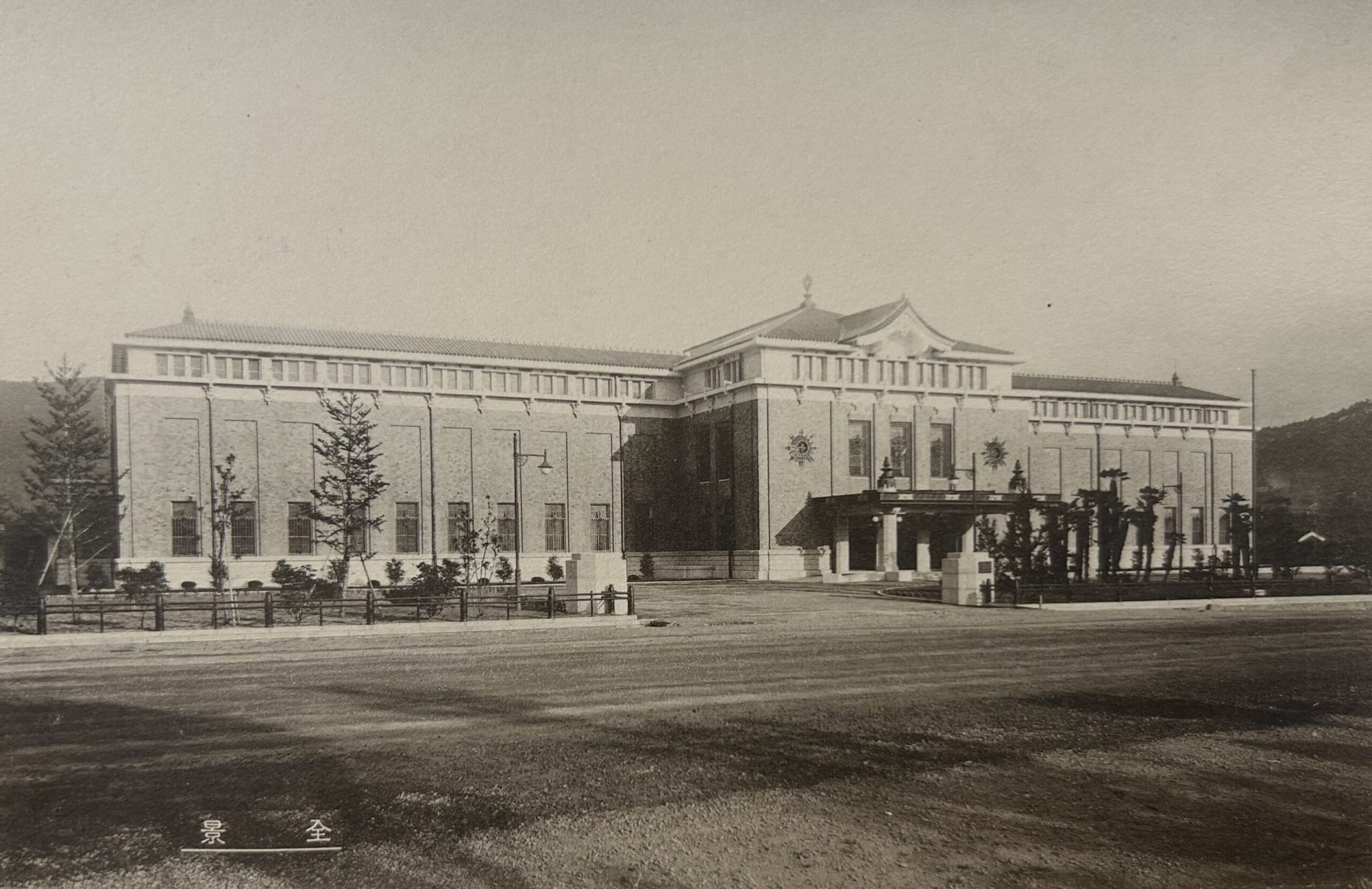
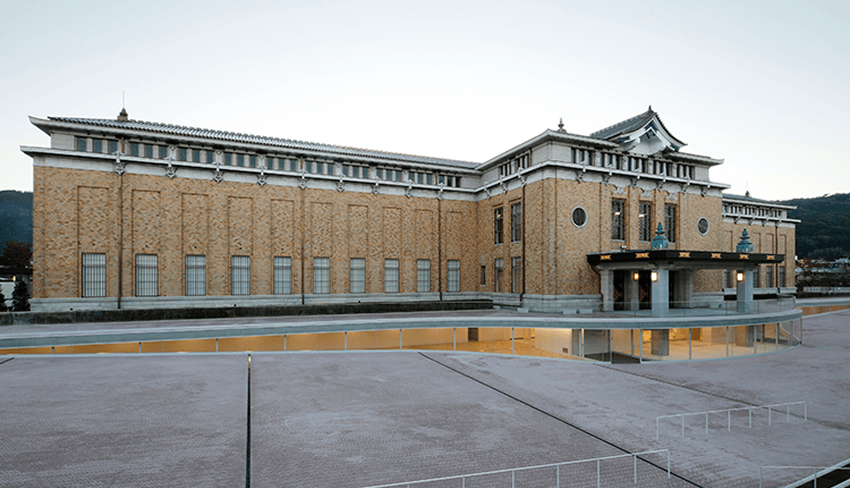
at the time of completion 1933 The Kyoto Municipal Museum of Art opened in 1933 as the Kyoto Enthronement Memorial Museum of Art and was one of Japan’s earliest public art museums. The establishment of the museum owes much to the dedicated efforts and financial contributions of numerous citizens from Kyoto’s business, political, and academic circles, resulting in the completion of a large-scale hall of art that was unmatched across the country. Kyoto’s art sector also gave its full support with high expectations, and leading figures such as Takeuchi Seiho, Kikuchi Keigetsu, Kanekogi Takeshiro, and Kiyomizu Rokube V served as trustees, engaging in discussions about the ideal vision for the museum.
In the year following its opening, a large-scale exhibition titled the Kyoto Enthronement Memorial Museum of Art Exhibition was held at the museum. It became a groundbreaking event that transcended the bounds of the art world, bringing together works by diverse groups from across the country, and led to the purchase of outstanding works by the organizing committee and museum after the exhibition. These early acquisitions formed the beginnings of the Kyoto Municipal Museum of Art collection, marking a glorious start for the museum.
This exhibition focuses on the museum’s origins, reflecting on the history surrounding the establishment of the Kyoto Enthronement Memorial Museum of Art and the character of its early collection through the presentation of artworks and archive materials.at the time of completion 1933 Winter: January 15 (Fri.) – March 14 (Sun.), 2027
Special Display: Painting Time — Modernity Reflected in Kyoto Lacquerware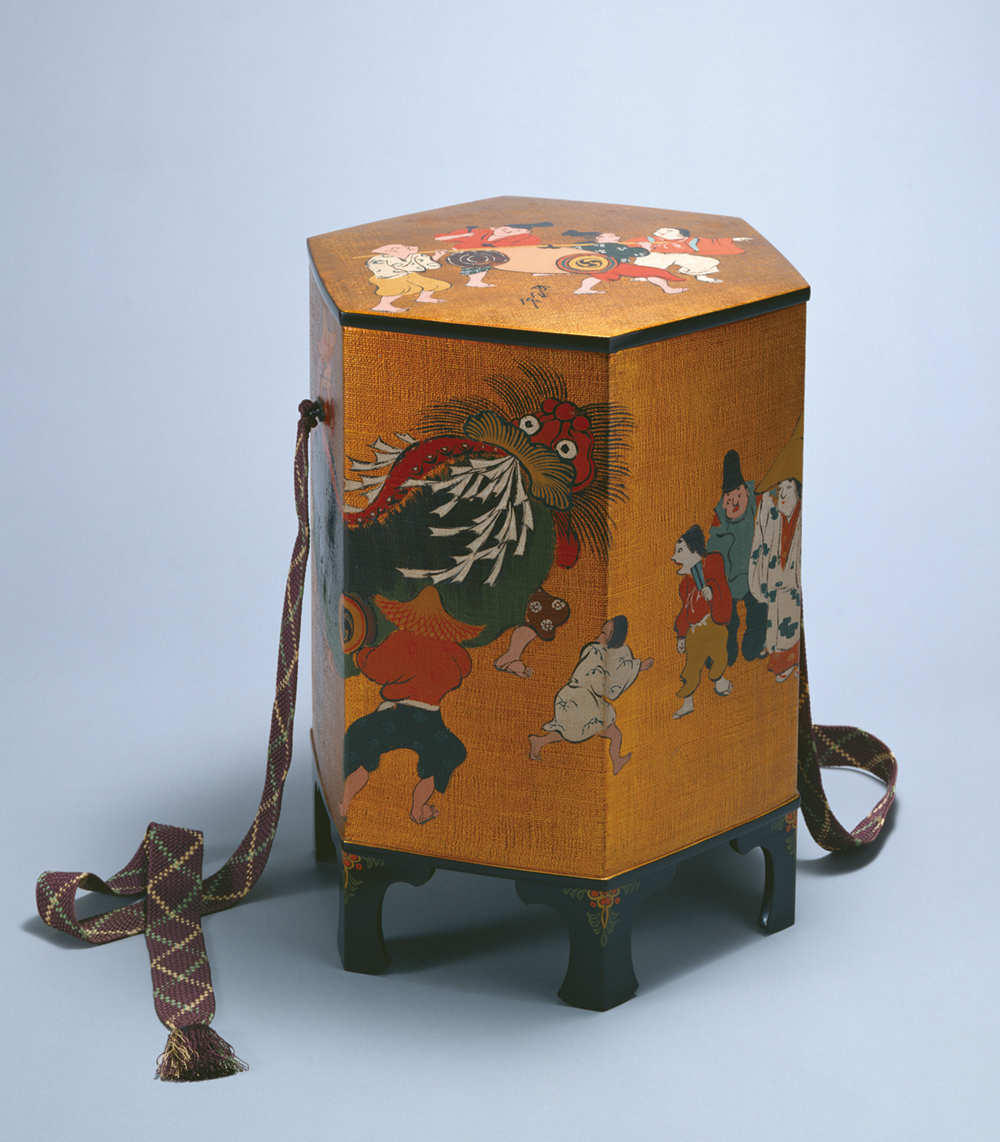
Kamisaka Sekka Ornamental Box with Lacquered Drawings of Men Performing a Ceremony Taisho period Collection of the museum Kyoto lacquerware has been passed down over centuries since the Heian period. This special display traces the evolution of Kyoto lacquer artistry from the modern era to the post-war period. During the Meiji and Taisho periods, Kyoto lacquerware preserved traditional techniques and designs dating back to the Edo period, while also embracing Western-inspired designs and returning to pre-modern Japanese art forms, such as those of the Rinpa school. In the early Showa period, modern lacquerware that harmonized with contemporary lifestyles emerged, and a unique aesthetic blending tradition and modernity was sought. After World War II, new forms of expression transcending the conventions of lacquerware were explored, and amidst the integration of other materials and innovative forms that departed from functionality, Kyoto lacquerware underwent a major transformation.
In modern Kyoto lacquerware, creativity responsive to the sensibilities of the times has been layered upon ancient traditions. This exhibition unravels the various forms of Kyoto lacquerware born at the intersection of tradition and innovation.Kamisaka Sekka Ornamental Box with Lacquered Drawings of Men Performing a Ceremony Taisho period Collection of the museum -
Ida Shoichi Angels Campaign 1969 Collection of the museum
Ida Shoichi Surface is the Between-Between Vertical and Horizon-“The Between No.12-Floor, Paper and Wood” 1977 Collection of the museum
Shiokawa Bunrin Four Seasons of Farming and Sericulture around 1860 Collection of the museum 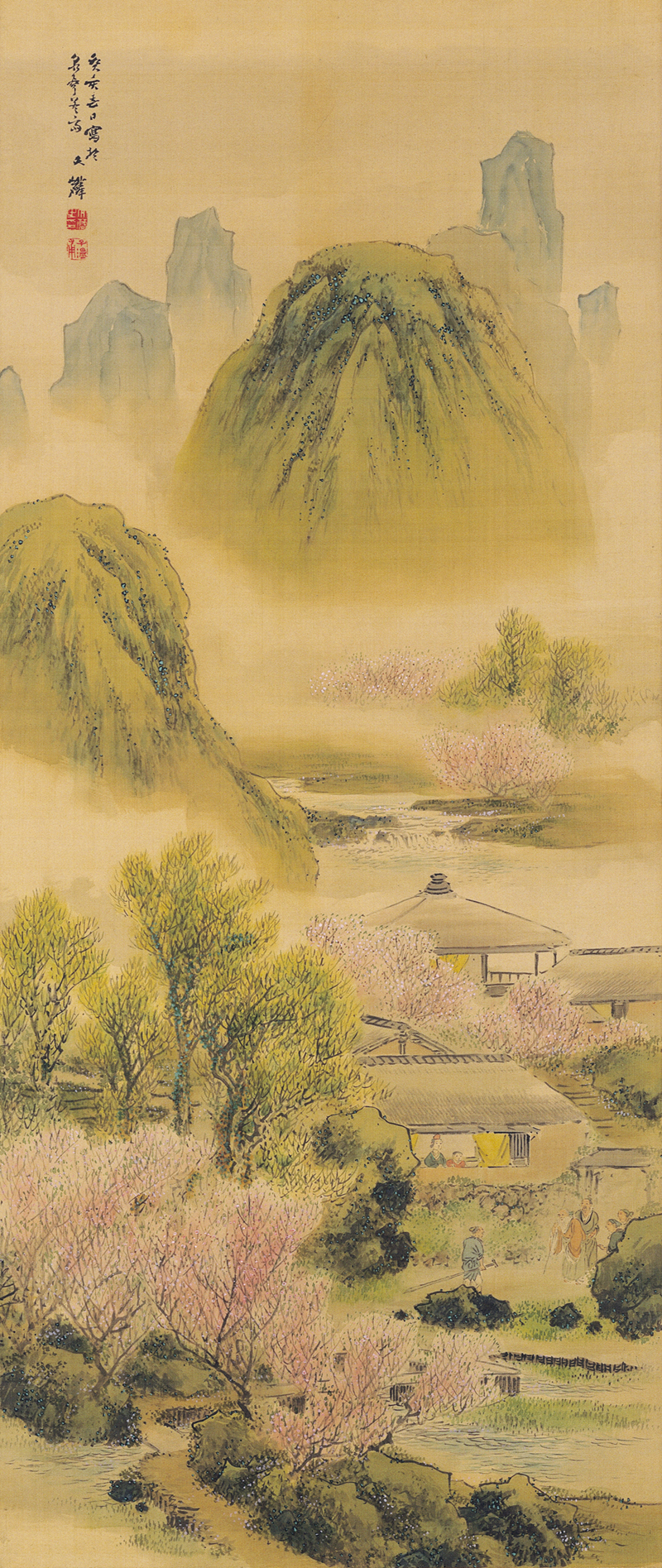
Shiokawa Bunrin Landscape with Peach Blossoms 1863 Collection of the museum
at the time of completion 1933 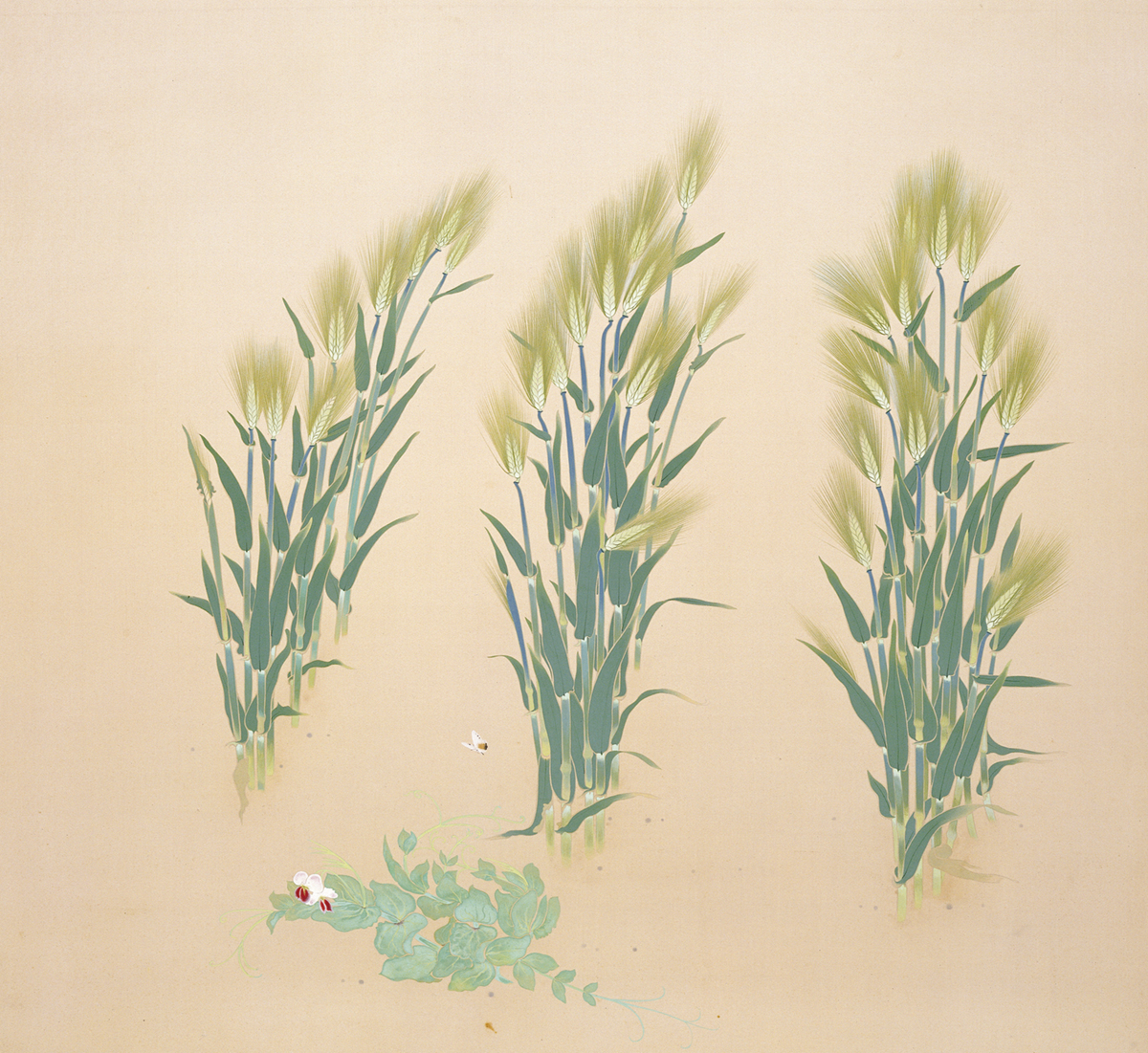
Tokuoka Shinsen Wheat 1934 Collection of the museum
Kamisaka Sekka Ornamental Box with Lacquered Drawings of Men Performing a Ceremony Taisho period Collection of the museum 
Okumura Kajo Lacquered Panels “Deer” 1937 Collection of the museum -
Museum Cafe
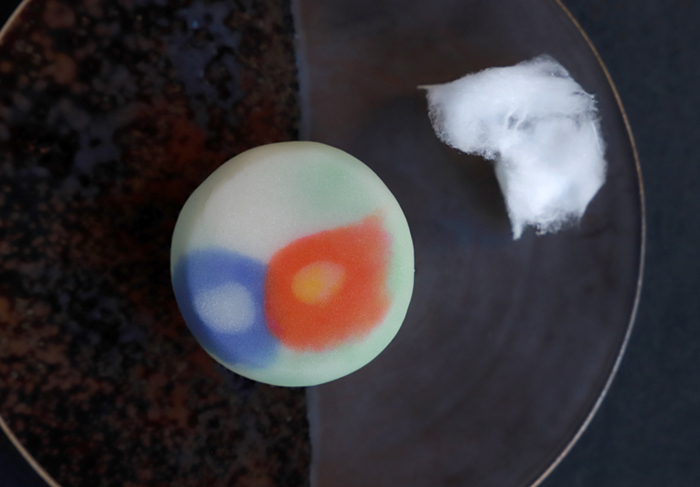
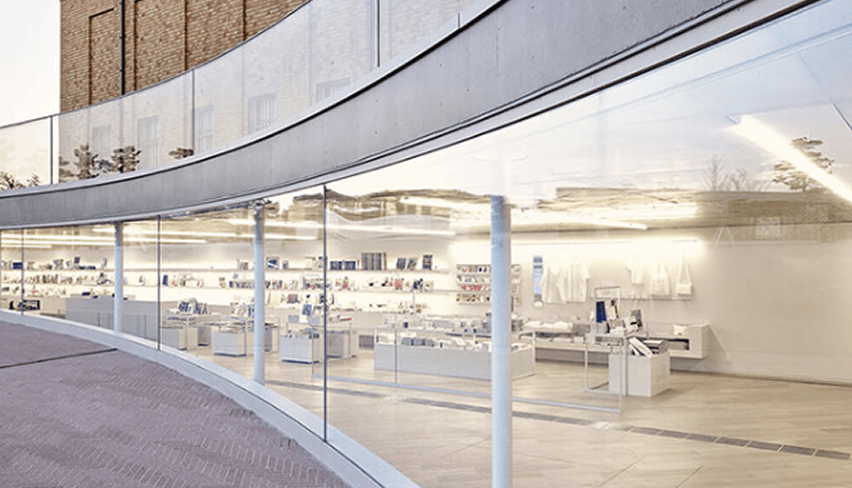
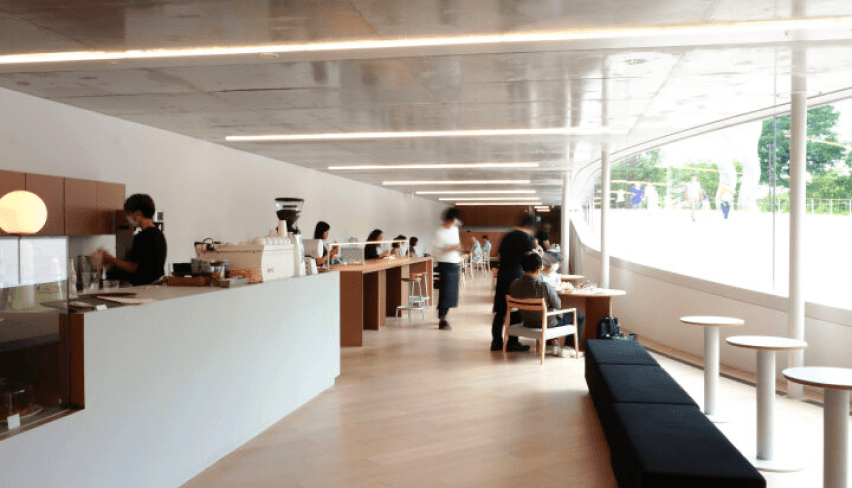
The menu of seasonal sweets in Cafe ENFUSE will change four times a year, along with the seasons. Also the museum shop will continue offering new confectionary selections twice a month, every month.